

Key Benefits

  • Optimized System Performance: We ensure all MEP systems are installed, integrated, and operating according to design intent and owner requirements.
  • Reduced Rework and Delays: Structured commissioning procedures identify issues early, preventing costly mistakes and schedule overruns.
  • Documentation and Verification: Complete commissioning records provide clear evidence of system performance, aiding handover and long-term maintenance.
  • Stakeholder Alignment: We coordinate closely with designers, contractors, and facility teams to deliver functional, efficient, and reliable building systems.

Value Proposition Summary

Why Clients Choose Us:

  • International and GCC Mega-Project Expertise: Proven experience delivering complex infrastructure and mission-critical commissioning.
  • Project-Goals Oriented: Directed by the project vision and committed to achieving defined objectives, performance benchmarks, and client expectations with precision and accountability.
  • Multidisciplinary Engineering Team: Engineers from mechanical, electrical, HVAC, controls, and energy fields work together to ensure all systems and site challenges are addressed comprehensively.
  • Data-Driven Decision Making: Collects and analyzes performance data to prevent post-handover issues and optimize system reliability.
  • End-to-End Accountability: Ensures consistent coordination and reporting from design through handover.

New Construction Commissioning (Cx)

New Construction Commissioning

Our commissioning services for new construction projects ensure that all building systems are planned, installed, tested, and documented in line with project requirements and client expectations. Depending on the project structure and stakeholder needs, we provide commissioning support in the following models:

Commissioning Authority (CxA)

Service Overview: Commissioning Authority (CxA) is a service where CSI leads and manages the entire commissioning process to ensure that all building systems perform as intended and meet the project requirements.

CSI Approach: CSI’s expert team oversees the commissioning activities by verifying installations, witnessing testing procedures, and providing actionable recommendations. They collaborate with project stakeholders to ensure systems are properly installed, tested, and operational. They also assist facility teams in developing reports, managing documentation, and raising service requests for any unresolved issues.

Value to the project: This service ensures quality, compliance, and functionality across critical systems. It minimizes operational risks, reduces post-handover issues, and ensures a smooth transition to occupancy and operation—ultimately safeguarding the project’s long-term performance and reliability.

Related FAQs

The Commissioning Authority oversees the commissioning process to ensure that all building systems are designed, installed, tested, and performing according to the project requirements. They also provide recommendations for improvement and support operational readiness.

Ideally, the CxA is involved from the design phase through construction and handover to ensure continuity, but they can also be engaged during later stages for performance verification.

The CxA ensures systems meet performance criteria, reducing operational risks, ensuring compliance with standards, and minimizing future maintenance issues or energy inefficiencies.

As CxA, we provide training, documentation, and support to ensure facility staff understand system operations, maintenance requirements, and troubleshooting procedures.
Commissioning Management (CxM)

Service Overview: Commissioning Management is a service where CSI oversees the entire commissioning lifecycle—planning, coordinating, and managing activities to ensure that all systems and equipment meet design intent and operational requirements.

CSI Approach: CSI’s team develops commissioning plans, sets performance criteria, and coordinates efforts between design, construction, and operations teams. They monitor testing and verification activities, manage communication among stakeholders, and facilitate the final handover to ensure systems are ready for operation with complete documentation and training.

Value to the project: This service ensures that building systems function efficiently, reliably, and as designed. It reduces delays, limits rework, and enhances overall project quality, delivering a smooth, well-documented transition to building operation and long-term system performance.

Related FAQs

Commissioning Management involves strategic oversight, coordination, and stakeholder alignment, while Commissioning Execution refers to hands-on technical tasks like checklist completion, equipment startup, and functional performance testing conducted by field staff.

Documents managed under Commissioning Management include the Commissioning Plan, Schedule, Checklists (Pre-functional & Functional), ATP records, Issue Logs, Meeting Minutes, and the Final Commissioning Report.

A Commissioning Manager coordinates across disciplines (e.g., MEP, controls, envelope, fire safety) by acting as a central point of communication, aligning test sequences, tracking readiness, and ensuring all commissioning activities are integrated into the project timeline.

CMS is Commissioning Management Software used for tracking project progressing: all systems to be commissioned, required tests, responsible parties, and current status. It provides a high-level view for managing scope, progress, and accountability. CSI uses in-house Videntium T&C software after approval by the project owner.

Commissioning Management should begin during the Pre-Design or Design Phase to influence design choices, define commissioning scope and milestones, and embed the process into project planning from the outset.
LEED Commissioning Agent

Service Overview: LEED Commissioning Agent is a specialized service where CSI supports projects aiming for LEED certification by ensuring building systems meet sustainability, energy efficiency, and environmental performance standards outlined by the LEED rating system.

CSI Approach: CSI’s LEED-accredited professionals guide the commissioning process to align with LEED prerequisites and credits. They verify that energy-related systems are designed, installed, tested, and performing to meet LEED requirements. This includes documentation, functional testing, and coordination with design and construction teams to ensure sustainable outcomes.

Value to the project: This service is essential for achieving LEED certification, improving energy performance, reducing environmental impact, and enhancing occupant comfort. It ensures the project meets high sustainability benchmarks while supporting long-term operational savings and environmental responsibility.

Related FAQs

LEED requires Fundamental Commissioning (mandatory) and offers Enhanced Commissioning (optional for additional points). Fundamental Cx includes reviewing OPR/BOD, performing site inspections and functional testing, and submitting a final report. Enhanced Cx adds design-phase reviews, monitoring-based verification, and post-occupancy assessments.

A LEED CxA must have technical expertise in HVAC and building systems and be independent of the project’s design and construction teams (at least for Fundamental Cx). Preferred qualifications include CxA, BCxP, CBCP, or PE credentials, with knowledge of ASHRAE commissioning standards.

LEED v4/v4.1 requires commissioning of HVAC systems, lighting controls, domestic hot water, and renewable energy systems. For Enhanced Commissioning, envelope systems (air barrier, insulation, fenestration) may also be required.

The LEED CxA helps earn up to 6 points through Enhanced Commissioning by ensuring energy efficiency, verifying system integration, preventing performance issues, and improving documentation. Their involvement is key to achieving operational readiness and long-term sustainability goals.

We deliver these services in coordination with clients, consultants, main contractors, or specialist subcontractors depending on project needs. Our flexibility allows us to integrate into any project team structure while maintaining technical independence, transparency, and consistent quality.

Retro-Commissioning

Re-Commissioning

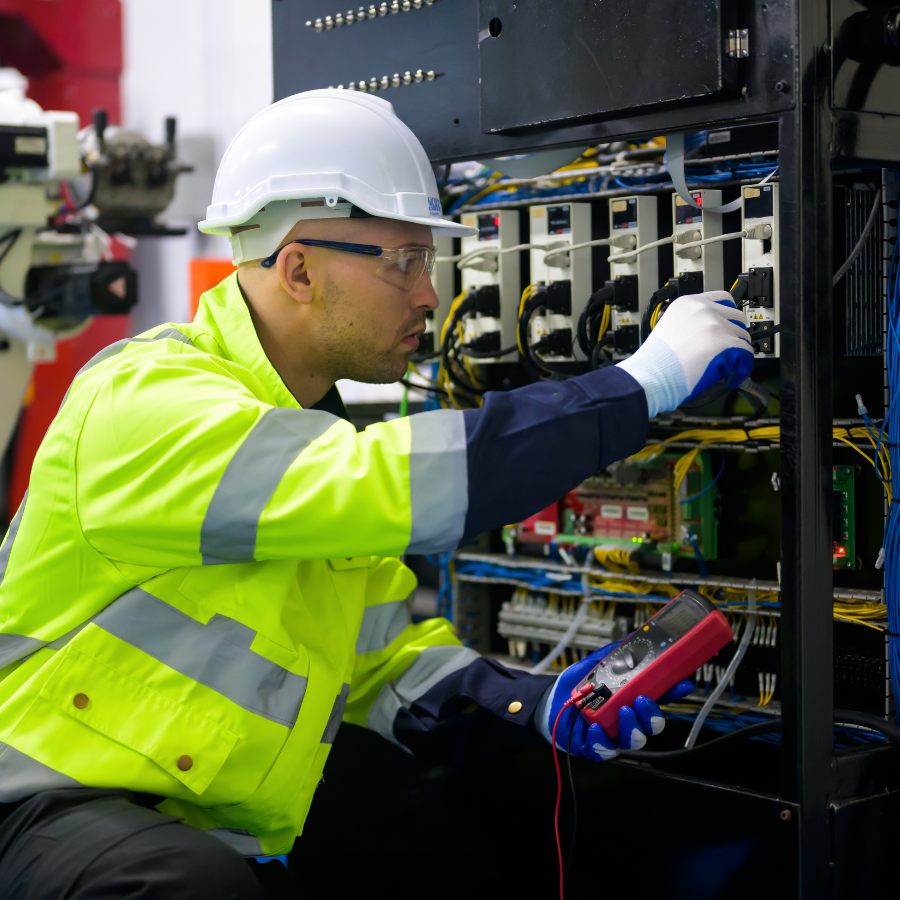
Retro-Commissioning is the first-time commissioning of an existing building that was never commissioned when originally constructed, it is focused on improving the performance of existing buildings by identifying and addressing inefficiencies in their systems and operations.

CSI Approach

CSI’s experienced professionals conduct detailed assessments of the building’s current systems to evaluate performance gaps. They identify opportunities for energy savings, optimize system operations, and implement corrective actions to enhance efficiency, sustainability, and occupant comfort.

Value to the project

This service helps reduce energy costs, extend equipment life, and improve indoor environmental quality. By optimizing existing systems, it delivers measurable savings and reduces environmental impact without the need for major capital investments.
Related FAQs

Retro-Commissioning is for buildings that have never been commissioned before, while Re-Commissioning applies to facilities that were commissioned previously but need performance verification and optimization after years of operation.

The timeline varies depending on building size, system complexity, and scope of work. Typically, the process can take several weeks to a few months from assessment to implementation.

Retro-Commissioning is usually performed once for buildings that were never commissioned. However, periodic Re-Commissioning (every 3–5 years) is recommended to maintain performance and efficiency over the long term.

Re-Commissioning (Re-Cx)

Re-Commissioning

Re-Commissioning is the repeat commissioning of a building that was previously commissioned at some point in its life cycle, it is the process of re-evaluating and optimizing building systems that have drifted from their intended performance, helping restore or improve functionality without major equipment replacements.

CSI Approach

CSI’s team conducts a thorough review and testing of the building’s existing systems to identify performance degradation, inefficiencies, or operational issues. Corrective measures are then implemented to align system operations with original or updated performance goals.

Value to the project

This service helps recover lost efficiency, reduce operating costs, and improve occupant comfort. By restoring optimal system performance, it extends equipment life and supports sustainable, cost-effective building operations.

Related FAQs

Buildings with complex HVAC, lighting, or control systems—especially hospitals, commercial offices, campuses, and data centers—benefit the most, particularly if they’ve experienced performance drift or operational changes.

During re-commissioning, teams review historical energy data, verify sensor calibration, test control sequences, inspect mechanical systems, and assess whether current operation matches the Owner’s Project Requirements (OPR).

Re-commissioning identifies inefficiencies, resets systems to optimal settings, corrects control logic errors, and ensures systems aren’t wasting energy—making it a cost-effective strategy to maintain high performance over time.

Monitoring-Based Commissioning (MBCx)

Monitoring-Based Commissioning

Monitored-Based Commissioning (MBCx) is a service where CSI continuously tracks and evaluates the performance of building systems using real-time data to ensure ongoing efficiency and reliability.

CSI Approach

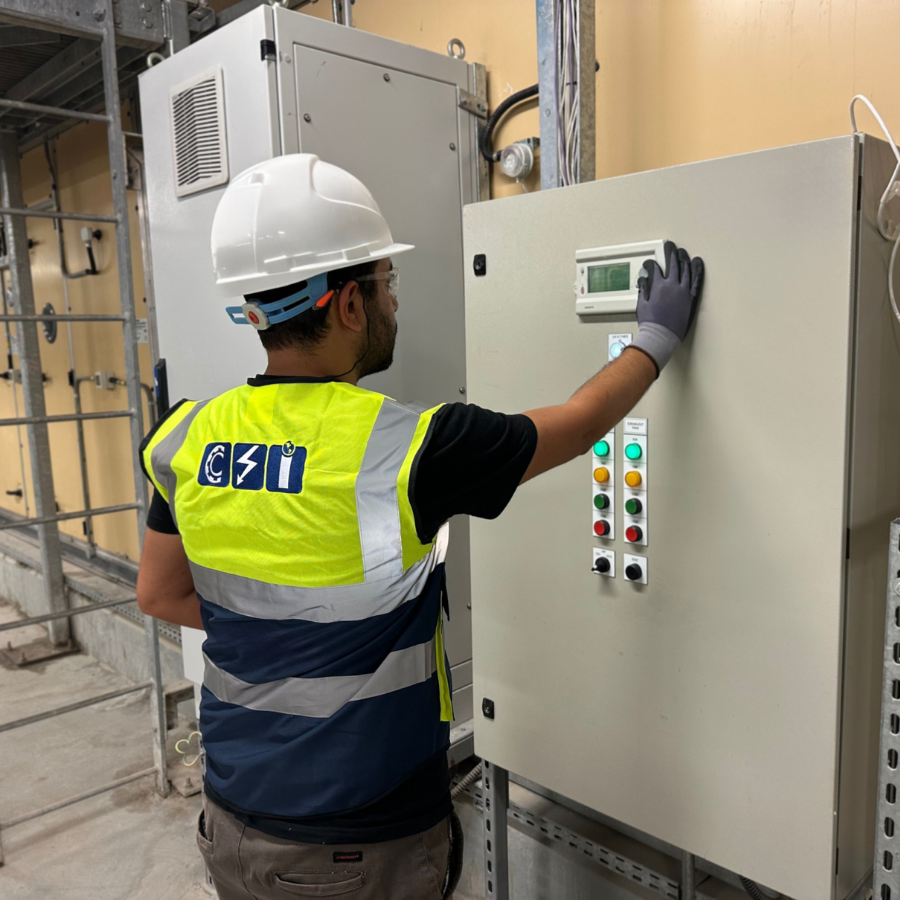
CSI deploys advanced sensors and data analytics tools to monitor system operations. The data is analyzed to detect inefficiencies, faults, or performance drifts. Based on these insights, CSI provides actionable recommendations and supports corrective actions to maintain optimal system performance.

Value to the project

MBCx enables proactive maintenance, reduces energy waste, and minimizes unplanned downtime. By continuously optimizing operations, it ensures long-term building efficiency, comfort, and cost savings.
Related FAQs

Unlike traditional commissioning, which focuses on a defined timeline (typically during construction or turnover), MBCx is continuous. It monitors building performance over the long term, enabling proactive adjustments and deeper energy savings.

MBCx collects data such as energy use, temperature, humidity, occupancy trends, equipment runtime, fault conditions, and control sequence performance. Data is typically gathered at high frequency through building automation systems and energy meters.

MBCx commonly uses Building Management Systems (BMS), Energy Information Systems (EIS), Fault Detection and Diagnostics (FDD) platforms, smart sensors, and cloud-based analytics dashboards for data collection, analysis, and visualization.

Benefits include sustained energy savings, early detection of faults, improved occupant comfort, data-driven maintenance planning, reduced operational costs, and better compliance with energy codes and green building certifications like LEED.

MBCx enables continuous improvement by turning performance data into actionable insights. It helps identify underperforming systems, confirms savings from upgrades, and ensures building operations remain aligned with owner goals and efficiency targets.

Mission-Critical Facility Commissioning (Hospitals, Data Centers, Control Centers, and Similar Facilities)

Design Review and Constructability Analysis

CSI’s Mission-Critical Facility Commissioning service is designed for environments where operational continuity and zero-failure tolerance are paramount—such as hospitals, data centers, control centers, and similar facilities. This highly specialized process ensures that all mechanical, electrical, life safety, and control systems perform flawlessly under every anticipated operating condition.

CSI Approach

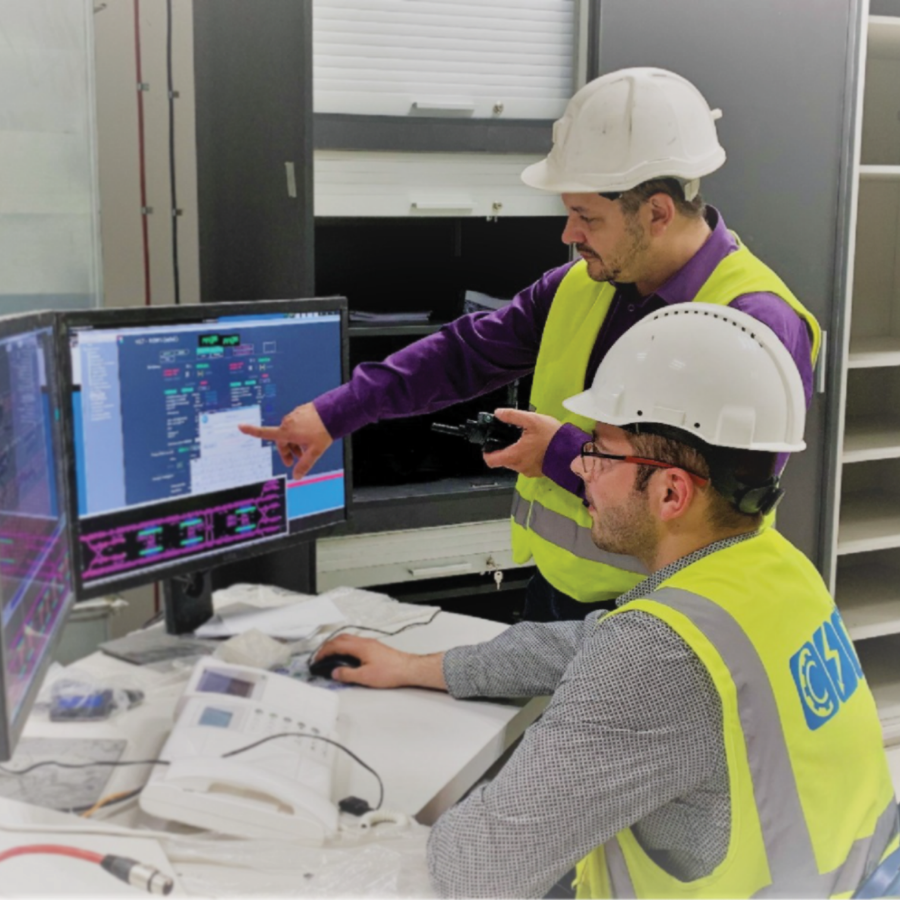
Our team applies a disciplined, methodical commissioning process that includes rigorous functional testing, system integration verification, and performance validation. We simulate real-world scenarios, stress-test backup systems, and verify redundancy measures to confirm that the facility can maintain uninterrupted operation during both normal and emergency conditions.

Value to the project

This service minimizes the risk of downtime, safeguards critical operations, and ensures compliance with stringent performance requirements. By delivering a fully validated and resilient facility, CSI helps mission-critical environments operate with confidence, safety, and reliability from day one.
Related FAQs

These facilities must maintain continuous operation without interruption. Commissioning validates that systems are reliable, integrated, and capable of handling both normal and emergency scenarios without failure.

Hospitals, medical centers, data centers, control rooms, financial trading floors, emergency response centers, and other facilities that demand uninterrupted functionality.

We use controlled simulations and planned test protocols that replicate emergency conditions without compromising live operations, ensuring safety and continuity during testing.

Ideally, it should start during the design phase and continue through construction, installation, and system handover to ensure all systems meet operational goals from day one.

Commissioning Focused Design Review

project

Commissioning Focused Design Review are detailed evaluations conducted by CSI experts to ensure that project design documents and specifications support the commissioning process and long-term building performance goals.

CSI Approach

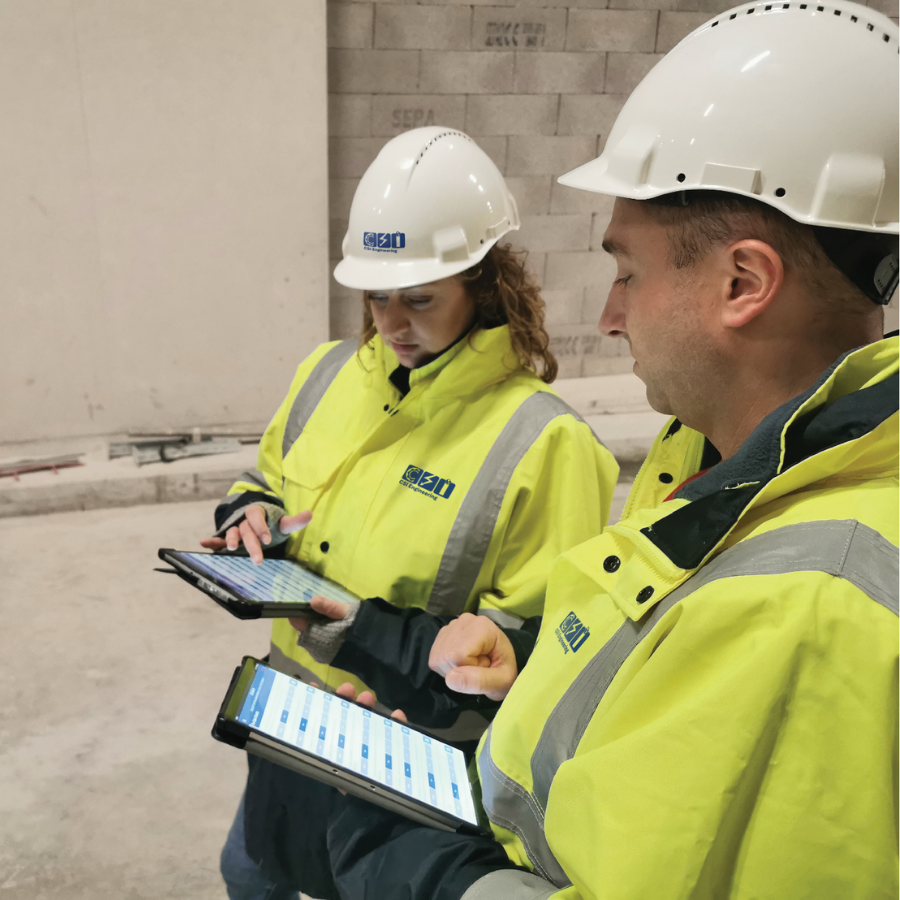
CSI reviews design drawings, specifications, and equipment selections during the design phase. The team identifies gaps, inconsistencies, or inefficiencies, and provides actionable recommendations to enhance system performance, reliability, and maintainability.

Value to the project

This service helps prevent costly changes during construction, improves coordination between design intent and actual performance, and ensures that systems are designed with commissioning, operation, and maintenance in mind leading to more efficient and sustainable outcomes.
Related FAQs

A typical report includes:
  • Review of mechanical, electrical, and control systems
  • Evaluation of energy efficiency strategies
  • Check for system accessibility and testability
  • Review of integration between systems (e.g., HVAC + controls)
  • Comments on clarity of design documents and alignment with OPR/BOD

Commissioning design reviews are commonly conducted at:
  • Schematic Design (SD)
  • Design Development (DD)
  • Construction Documents (CD)
Each stage allows identification of progressively detailed issues as the design evolves.

System's Commissioning Verification and Validation

Commissioning Documentation and System Verification

System’s Commissioning Verification and Validation is a service where CSI ensures that all building systems, such as HVAC, electrical, plumbing, and controls are correctly installed, fully operational, and integrated according to project specifications.

CSI Approach

CSI’s qualified professionals perform detailed performance verification and functional testing across multiple systems. This involves reviewing documentation, inspecting installations, and executing field tests to confirm that each system meets the intended design and performance criteria.

Value to the project

This service ensures that all systems function together efficiently and reliably. It reduces the risk of future operational issues, ensures code and standard compliance, and supports a smooth transition to building occupancy and long-term performance.

Related FAQs

Verification confirms that a system is installed correctly and complies with design specifications, while validation ensures the system performs as intended under real-world conditions and meets the Owner’s Project Requirements (OPR).

Validation is done through functional performance testing (FPT), trend analysis, test scripts, simulation under varying conditions, and comparison with design intent and control sequences to ensure the system performs as expected.

The Commissioning Authority (CxA) coordinates verification and validation, but sign-off typically involves the contractor, design consultant, and owner or facility representative, depending on the system and the project’s commissioning plan.
Subscribe Newsletter

Stay Updated with
the Latest News!