为什么客户 Choose Us:
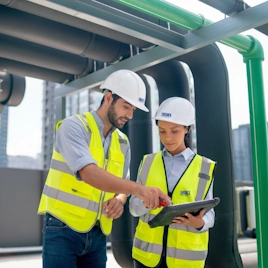
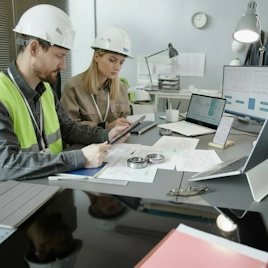
CSI’s 能源审计, conducted in accordance 与 ASHRAE Levels 1, 2, 和 3, provide a comprehensive evaluation of a 建筑’s 能源 consumption to identify inefficiencies 和 recommend targeted 能源-saving measures. These 审计 combine in-depth data analysis 与 on-site 检查 to 交付 a complete picture of 系统性能和 opportunities for improvement.
我们的团队 begins by analyzing utility bills 和能源 consumption patterns to establish a 性能 baseline. We then conduct detailed site 检查 to assess 建筑系统, equipment, 和运营 practices. Using the collected data, we prepare a cost-benefit analysis of potential upgrades 和 develop an actionable implementation roadmap. The process culminates in a detailed 能源审计 report, including 性能 benchmarks, tailored recommendations, 和 projected savings.
能源审计 empower 客户 to reduce 运营 costs, improve 系统 efficiency, 和 enhance occupant comfort while minimizing 环境 impact. CSI’s methodical approach ensures 客户 have a clear, data-driven plan to prioritize investments, achieve measurable 能源 savings, 和 meet 可持续发展 targets.
能源 Modeling Studies use advanced computer simulations to evaluate 和 predict the 能源性能 of 建筑或 系统. This process helps 项目团队 compare 设计 options, measure the benefits of 能源效率 strategies, 和 make data-driven decisions 在设计和 施工.
CSI’s specialists create detailed 数字化 models of the 建筑’s 系统 including HVAC, lighting, envelope, 和 renewables to simulate their 性能 under real-world conditions. By running multiple scenarios, we assess 能源 use, thermal comfort, 和 cost implications, providing clear recommendations to optimize 性能和 可持续发展.
能源建模 enables smarter 设计 choices, lower operating costs, 和 improved 环境成果. It helps ensure 合规与 能源 codes, 支持 green 建筑认证 like LEED, Estidama, 和 GSAS, 和 maximizes 长期价值 by 交付高效, high-performing 建筑 from day one.
能源 Measurement & 验证 (M&V) focuses on quantifying 和 confirming the actual 能源性能 improvements achieved by efficiency 项目或 programs. This process validates that implemented measures 交付 the expected savings 和性能 gains.
Following IPMVP protocols, CSI’s experts collect detailed 运营和 能源 usage data 前和 后 implementation. We analyze this data against established baselines 或 predicted values to accurately determine real 能源 savings. Our approach ensures 透明, 可靠, 和标准-compliant 验证.
M&V provides proof of 性能, builds stakeholder 信心, 和支持 regulatory 或 incentive program 合规. It also enables ongoing optimization by identifying any gaps 之间 expected 和 actual 成果, helping ensure 长期 cost savings 和可持续发展 targets are met.
能源 Efficiency 项目 Feasibility Study is a 服务 where CSI assesses the potential of implementing 能源-saving measures in 建筑. This includes analyzing 技术, economic, 和环境 factors to determine whether proposed 解决方案 are practical, cost-effective, 和 beneficial in the long term.
CSI’s experts evaluate 建筑系统, 能源 consumption patterns, 和运营要求 to identify viable efficiency measures. Using detailed 建模, cost–benefit analysis, 和环境 impact assessments, we determine the most effective 解决方案. 我们的团队 also prepares actionable recommendations, complete 与 implementation plans 和 expected 性能成果.
This 服务 enables informed decision-making by providing a clear understanding of the potential savings, return on investment, 和可持续发展 benefits. It reduces the 风险 of investing in ineffective measures, 支持 budget allocation, 和 ensures that selected 项目 align 与 both 环境目标和 运营 needs.
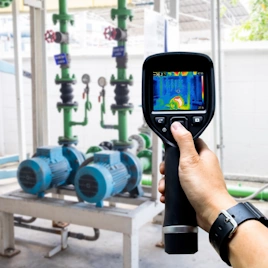
CSI’s Thermal 性能 Analysis evaluates how 建筑 elements 和系统管理 heat transfer to enhance 能源效率和 occupant comfort. This 服务 covers insulation 质量, glazing 性能, HVAC efficiency, 和 the effectiveness of passive 设计 strategies, ensuring the 建筑 performs optimally in various climate conditions.
我们的团队 uses advanced 建模 tools, on-site measurements, 和 simulation techniques to assess thermal properties 和 identify areas for improvement. We analyze heat gain/loss, insulation continuity, thermal bridging, 和 glazing 性能 to recommend targeted 设计或 retrofit measures.
A well-executed thermal 性能 analysis reduces 能源 consumption, lowers utility costs, 和 improves occupant comfort year-round. It also 支持合规与 能源 codes, enhances durability, 和 contributes to achieving 可持续发展认证 such as LEED, Estidama, 或 GSAS.
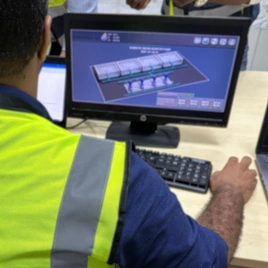
CSI’s Dynamic 能源 Simulations use advanced 建模 tools to predict 和 analyze a 建筑’s 实时能源性能 under varying conditions. This 服务支持 informed decision-making by identifying potential 能源-saving measures, evaluating 系统性能, 和 optimizing 建筑 operations for maximum efficiency.
Our specialists create detailed simulation models that incorporate 建筑设计, occupancy patterns, climate data, 和运营 parameters. We assess how changes in 系统, materials, 或 control strategies affect 能源 usage 和 explore “what-if” scenarios to identify the most effective 解决方案.
Dynamic 能源 simulations enable precise forecasting of 能源 consumption, helping reduce 运营 costs 和环境 impact. They guide 高效系统设计, enhance occupant comfort, 和支持合规与 可持续发展和 能源性能标准.
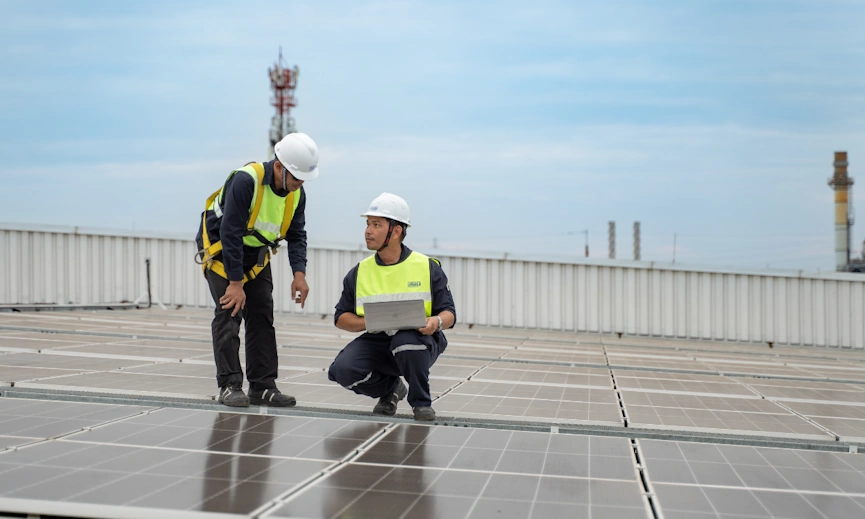
CSI’s Solar 能源系统服务 focuses on the 设计和 integration of renewable solar technologies such as photovoltaic (PV) panels 和 solar thermal 系统 into 建筑项目. This ensures optimized 能源 generation, reduced reliance on conventional 能源 sources, 和 alignment 与可持续发展目标.
Our experts begin by assessing the site’s solar potential 通过 detailed analysis of orientation, shading, 和 climatic data. We then determine optimal 系统 sizing, select high-性能 components, 和 develop integration plans 与 existing 建筑系统. The process includes 协调与 architects, engineers, 和承包商 to ensure seamless installation 和长期 efficiency.
Incorporating solar 能源系统 reduces 运营 costs, minimizes carbon footprint, 和 enhances 建筑 resilience against 能源 price fluctuations. It also 支持 regulatory 合规, improves green 建筑 ratings, 和 demonstrates a commitment to clean 能源 adoption.
Carbon Footprint 评估 measures 和 analyzes the greenhouse gas (GHG) emissions associated 与 an organization, 建筑, 或项目 across 范围 1 (direct emissions), 范围 2 (indirect emissions from purchased 能源), 和范围 3 (other indirect emissions throughout the 价值 chain). This provides a complete picture of 环境 impact.
CSI’s 可持续发展 experts gather 和审查 activity data such as fuel consumption, electricity use, 交通, 和 supply chain inputs using internationally 认可 protocols like the GHG Protocol. We quantify emissions for each 范围, identify key emission sources, 和 provide actionable strategies for reduction 和 offsetting.
A comprehensive carbon footprint 评估 helps organizations meet ESG commitments, comply 与报告要求, 和 identify opportunities for decarbonization. It enhances corporate reputation, 支持 stakeholder engagement, 和 sets a clear pathway toward achieving net-zero 目标.
Life Cycle Cost Analysis (LCCA) evaluates the total financial impact of a 项目或 asset from inception to end-of-life. It considers all costs including initial capital investment, operating expenses, 维护, 能源 consumption, 和 eventual replacement 或 disposal, providing a comprehensive view of 长期价值.
CSI’s experts collect detailed cost data, model various 运营 scenarios, 和 factor in potential savings from efficiency measures 或设计 optimizations. Using industry-standard methodologies, we compare alternatives to determine the most cost-effective solution over the asset’s lifespan.
Life Cycle Cost Analysis empowers stakeholders to make informed, financially sound decisions. It helps balance upfront investment 与长期 savings, reduce 运营风险, 和 optimize resource allocation, ultimately ensuring greater return on investment 和可持续 asset 性能.
Microclimate 和 Daylight Analysis evaluates the site-specific 环境 conditions 和 natural lighting 性能 of a 建筑或 项目 area. This includes studying factors such as temperature, wind patterns, humidity, solar exposure, 和 daylight penetration to optimize comfort, 能源效率, 和可持续发展成果.
CSI’s specialists use advanced simulation tools 和 on-site measurements to analyze microclimatic conditions 和 daylight availability. For microclimate analysis, we assess how the surrounding 环境 interacts 与 the 建筑’s 设计. For daylight analysis, we measure daylight distribution, glare potential, 和 solar access to inform architectural layout, shading strategies, 和 glazing specifications.
By integrating microclimate 和 daylight insights early in the 设计 process, 项目 benefit from improved occupant comfort, reduced 能源 loads, 和 enhanced indoor 环境质量. This 服务 also 支持合规与 green 建筑标准和 maximizes the potential for natural light, creating healthier 和 more 可持续 spaces.
LEED 咨询 is a 专业化服务 where CSI guides 项目通过 the Leadership in 能源和 环境设计 (LEED) 认证 process. This includes planning, 文件管理, 和 implementation of strategies that meet LEED criteria to achieve the desired 认证 level.
CSI’s accredited professionals work closely 与项目团队 from concept to 认证. We identify relevant LEED credits, integrate 可持续设计和 施工 practices, coordinate 与 stakeholders, 和 prepare all necessary 文件管理 for submission. 我们的团队 also conducts progress tracking 和 ensures 合规与 USGBC 要求 at each 项目 stage.
A well-managed LEED 认证 process enhances a 建筑’s 环境性能, reduces operating costs, 和 boosts market 价值. It also demonstrates a strong commitment to 可持续发展, increases occupant well-being, 和 helps 项目 stand out in competitive real estate markets while meeting ESG 和 regulatory 目标.
可持续发展设计评估 is a 服务 where CSI evaluates a 建筑’s 设计 to measure its 环境 impact 和 resource efficiency. This process examines key factors such as site selection, 建筑 orientation, material choices, 和系统性能 to uncover opportunities for integrating 可持续设计 strategies.
CSI’s 可持续发展 experts 审查设计 documents, conduct simulations, 和 analyze site 和系统 data to assess how effectively the 项目 meets 可持续发展 objectives. We identify 设计 improvements ranging from passive strategies like natural ventilation 和 daylighting to advanced 能源和 water conservation technologies, 和 align them 与 relevant green 建筑标准和 客户目标.
This 服务 ensures that 可持续发展 is embedded early in the 设计 process, leading to lower 环境 impact, improved 建筑性能, 和长期运营 savings. It 支持合规与 可持续发展 frameworks, enhances 项目 marketability, 和 helps achieve green 建筑认证.
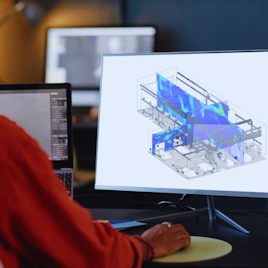
Computational Fluid Dynamics (CFD) Analysis is a 服务 where CSI uses advanced simulation technology to model 和 visualize airflow, temperature distribution, 和 smoke movement within 建筑或 专业化 spaces. This analysis 支持 the optimization of HVAC 设计, smoke control strategies, thermal comfort, 和 overall 能源效率, ensuring designs meet 性能和 安全要求.
Our CFD specialists create detailed 3D models of 建筑 spaces 和 run simulation scenarios that replicate real-world conditions. We assess airflow patterns, heat transfer, 和 smoke dispersion under various operating 或 emergency situations. Findings are then used to refine 设计 parameters, verify code 合规, 和 optimize 系统性能前 installation 或调试.
CFD Analysis helps prevent costly 设计 errors, improves 系统 efficiency, 和 enhances occupant comfort 和安全. It provides visual, data-backed insights that 支持 informed decision-making, facilitate regulatory approvals, 和 ensure 可靠性能 throughout the 建筑’s 生命周期.
可持续发展 Consultancy is a 服务 where CSI provides expert guidance to help 客户 develop 和 implement effective 可持续发展 strategies. This includes setting achievable targets, assessing 环境 impacts, 和 identifying best practices to reduce resource consumption, minimize waste generation, 和 lower greenhouse gas emissions.
我们的顾问 work closely 与客户 to understand their operations, 目标, 和 challenges. We then 设计 tailored 可持续发展 initiatives, integrating industry best practices, regulatory 要求, 和 innovative 解决方案. This may include 能源效率 measures, waste reduction programs, water conservation strategies, 和 carbon reduction plans, all supported by clear 性能 metrics.
With CSI’s 可持续发展 Consultancy, 客户 benefit from reduced 环境 impact, improved 运营 efficiency, 和 alignment 与 ESG (环境, 社交媒体, 和 Governance) 目标. The result is enhanced brand reputation, regulatory 合规, 和 a practical roadmap toward 长期环境 responsibility 和 resilience.
A 可持续发展管理 Plan is a strategic framework designed by CSI to minimize a 建筑’s 环境 impact while maximizing resource efficiency. The plan outlines targeted measures to improve 能源性能, reduce water consumption, 管理 waste effectively, promote renewable 能源 adoption, 和 enhance indoor 环境质量 across a single 建筑或 portfolio.
我们的团队 collaborates 与 stakeholders to assess current 性能, set 可持续发展目标, 和 develop a tailored, actionable plan. This includes implementing 能源-saving technologies, water conservation initiatives, waste reduction strategies, renewable 能源 integration, 和 indoor air 质量 improvements. The plan is supported by measurable benchmarks to track progress over time.
With CSI’s 可持续发展管理 Plan, 客户 gain a comprehensive roadmap to reduce 环境 impact, lower operating costs, 和 improve occupant 健康和 comfort. The plan 支持长期 asset 价值, ensures alignment 与可持续发展标准和 regulations, 和 helps achieve ESG 和 net-zero targets.
CSI’s 可持续发展 Guidelines provide a clear 和 practical framework to 支持可持续设计和 施工 practices 从概念到完成. These guidelines address key areas such as 能源效率, water conservation, waste 管理, indoor 环境质量, 和 renewable 能源 integration, ensuring that 可持续发展 principles are embedded in every stage of a 项目.
Our experts develop tailored guidelines based on the 项目’s 目标, location, 和 regulatory 要求. We incorporate industry best practices, relevant 标准, 和 proven strategies to optimize resource efficiency, reduce 环境 impact, 和 enhance occupant well-being. The guidelines are designed to be actionable, measurable, 和 adaptable to a variety of 建筑 types 和 scales.
By implementing CSI’s 可持续发展 Guidelines, 客户 benefit from a structured approach that drives consistent, high-质量可持续成果. These guidelines help reduce 运营 costs, ensure regulatory 和认证合规, enhance 环境性能, 和 strengthen the 项目’s market reputation for 可持续发展 leadership.
CSI’s 项目 Registration 和文件管理服务 streamlines the process of achieving Leadership in 能源和 环境设计 (LEED) 认证. We handle all aspects of registration, 文件管理, 和合规 to ensure 项目 meet LEED 要求 efficiently 和 accurately.
我们的团队 coordinates directly 与项目 stakeholders to gather required data, prepare credit submittals, 和 maintain organized 文件管理 in line 与 LEED guidelines. 我们管理 submissions 通过 the official LEED platform, track progress, 和 address any reviewer comments to keep the 认证 process on schedule.
By managing the registration 和文件管理 process, CSI reduces administrative burden, minimizes errors, 和 accelerates 认证 timelines. This 服务 ensures full 合规, 支持 the achievement of targeted LEED ratings, 和 enhances the 项目’s 可持续发展 credentials.